What Local South Shields Businesses Know About Storage
Find Out More →Walk past the Port of South Shields on a busy day and you'll see something most homeowners never think about: businesses don't just shove things away and hope for the best. They treat storage like a working part of their operation—organised, categorised, accessible when they need it. That's the difference between a spare room that's turned into a junk pile and a storage strategy that actually works.
The good news? You don't need to run a business to borrow their thinking. Local businesses in South Shields have figured out what works with self storage, and those lessons translate directly to your home.
Why businesses treat self storage differently
Most homeowners see self storage as a place to dump things they don't want to deal with right now. Businesses see it as the opposite: a tool they need to manage properly, or their operation falls apart. That shift in mindset changes everything.
When a local retailer or service business rents self storage, they're storing stock, equipment, or seasonal stock that needs to be accessible, tracked, and rotated. They can't afford to forget what's in there. They can't afford to waste time hunting for something in a disorganised unit. That discipline—knowing what you've got, where it is, and why—is what separates functional storage from expensive clutter.
The real lesson isn't about being a business owner. It's about treating your own space with the same respect.
How do businesses actually organise their units?
The first thing any smart business does is categorise everything before it goes in. They don't just pack boxes randomly. They think about what goes together, what they'll need to access first, and what rarely gets touched. Then they label, sometimes photograph, and keep a simple list.
For homeowners, this means before you hire a unit from Self Storage South Shields, spend an afternoon sorting what you're keeping. Group similar items. Throw out what you genuinely don't need—this saves you money on space and makes the whole process faster. Put things you might need sooner closer to the door. Keep heavier items low, lighter ones up. Sounds obvious, but most people skip this step and pay for it with wasted space and wasted time.
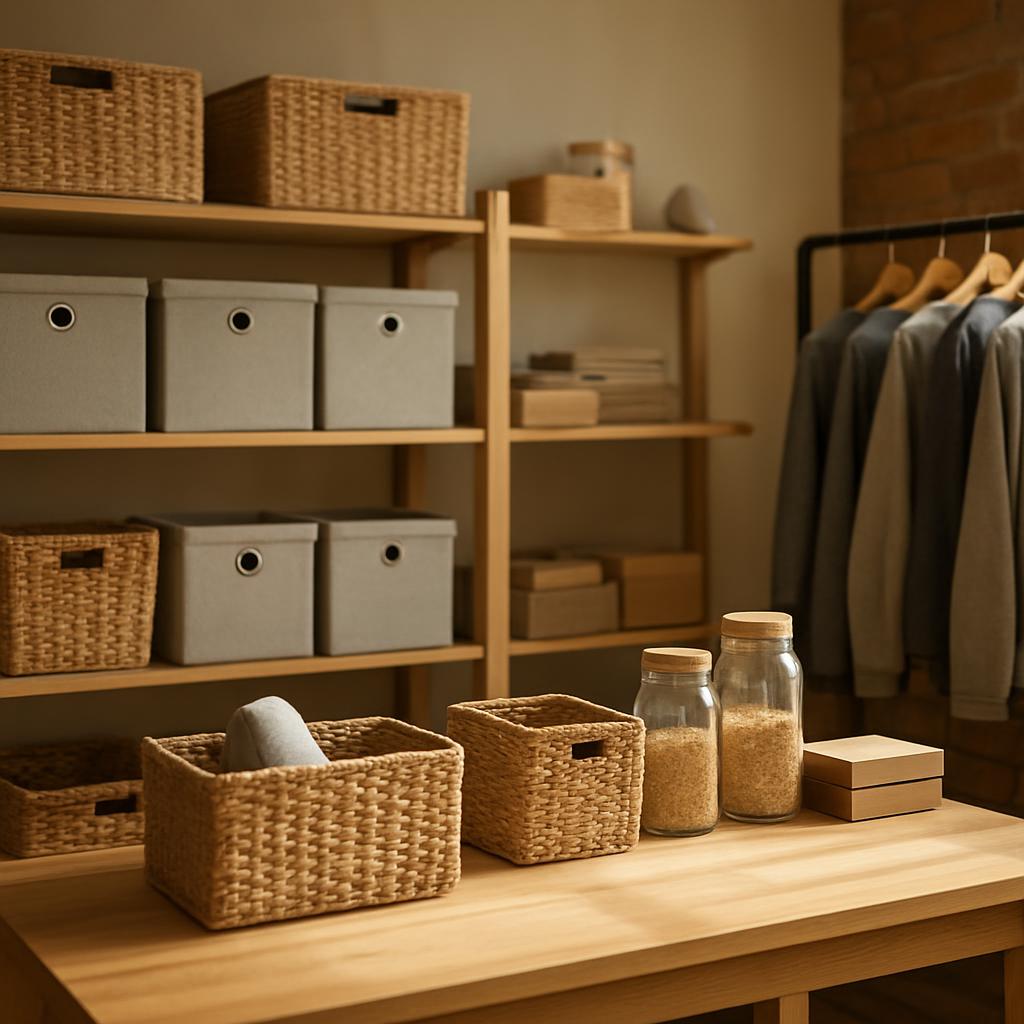
Businesses also maximise their units vertically. They use shelving, stack boxes sensibly, and leave a clear path down the middle so they can actually reach things without moving half the unit. You can do exactly the same. A few inexpensive shelves can double what you can fit in the same footprint.
There's more detail on how South Shields businesses organise storage space if you want practical tips you can use straight away.
What about knowing what you've actually got?
This is where homeowners and businesses really diverge. A business keeps an inventory—even if it's just a spreadsheet or a few notes. A typical homeowner packs a unit, closes the door, and hopes they remember what's in there six months later.
You don't need anything fancy. A simple list works: what box or item, rough description, which section of the unit it's in. If you've got your phone, take a photo of each area as you pack it. When you need something, you're not ringing the unit trying to remember if you stored it or left it at your mum's. You just check your notes.
This matters more than it sounds, especially in South Shields where weather can be unpredictable and the tides affect things near the coast. Knowing exactly what's stored and where means you can act quickly if you need to retrieve something valuable or check on climate-sensitive items.
This guide on what local businesses do differently with storage covers inventory management in more detail.
How often should you actually use your unit?
Businesses access their storage regularly because the things in there serve a purpose. Seasonal stock comes and goes. Equipment gets rotated. That constant use keeps the unit functional and prevents it from becoming a graveyard for forgotten stuff.
For households, this means be honest about what deserves to be stored. If you're paying month after month for things you'll never look at again, you're wasting money. Store seasonal items, sure—Christmas decorations, summer garden furniture, winter coats. Store things temporarily while you're between homes. But don't rent a unit as an extension of your house for items that don't have an actual future use.
When you do use your unit, treat it like a real space, not a dumping ground. If you need to access something, do it properly—don't just squeeze in, grab what you want, and leave the rest untouched. Every time you go in, you get a chance to notice what's actually being used and what's just taking up space.
Why this matters in South Shields right now
Living in South Shields means dealing with real practical pressures. Space in homes can be tight, storage needs are genuine, and property costs aren't getting any cheaper. Borrowing the business approach to self storage means you pay for what you actually need, use what you rent, and keep better control of your stuff overall.
If you've been thinking about self storage or already using a unit, try one thing from this list: either create a simple inventory before you pack, or reorganise your current unit with shelving and clear categories. You'll notice the difference in about two weeks—easier access, less wasted space, and real clarity on what you're paying for.
Ready to get your storage sorted properly? Get in touch with Self Storage South Shields and we can help you find the right unit for what you actually need, not just the space that looks biggest. We work with plenty of local businesses and homeowners who've learned to do storage the smart way.
Looking for Self Storage near South Shields?
We have secure, flexible units available in the area. Get in touch with Self Storage South Shields today.
Find Out More →